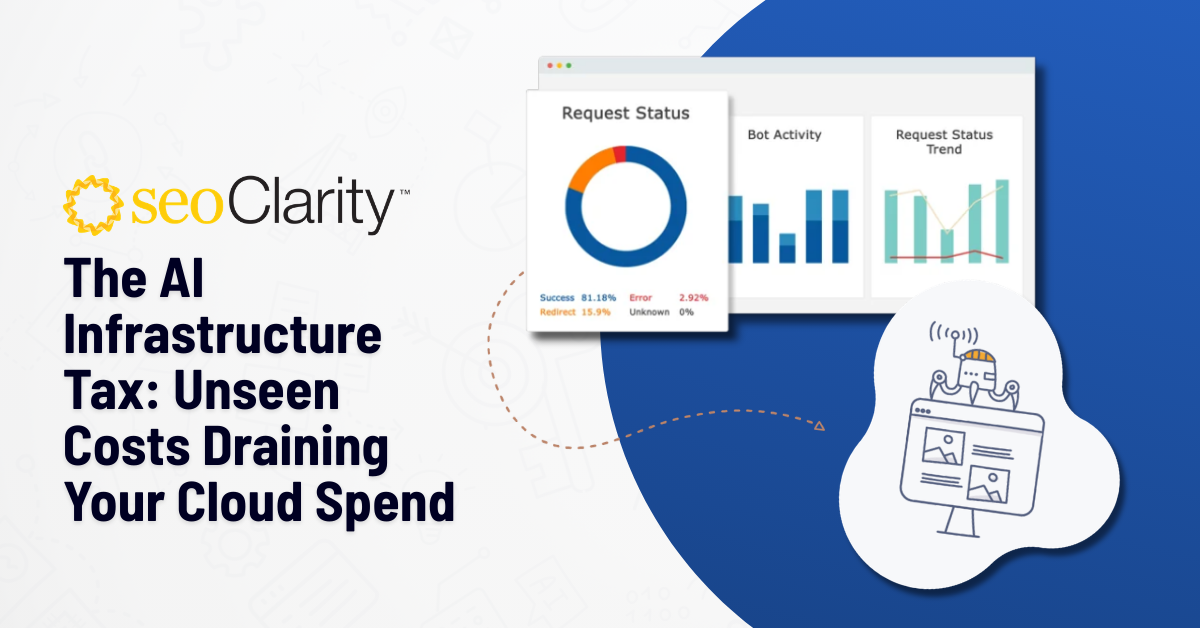
Enterprise websites today are typically built for human users. They are often dynamic, JavaScript-driven, and highly personalized.


Enterprise websites today are typically built for human users. They are often dynamic, JavaScript-driven, and highly personalized.
AI search engines like OpenAI, Perplexity, and Gemini have redefined how users find and engage with information. Traditional SEO strategies that were built for ranking in classic search results no longer guarantee visibility in this new landscape.

.png "How One of the Largest Grocery Retailers Solved Their AI Search Visibility Challenge - In 2 Days 5")
A leading enterprise grocery retailer manages a massive digital catalog featuring hundreds of thousands of Product Detail Pages (PDPs) across a complex site architecture. While their modern frontend offered a rich, interactive experience for human shoppers, the SEO team discovered a critical “invisibility gap”: their products were invisible to AI search engines and therefore invisible to users of those AI search engines.

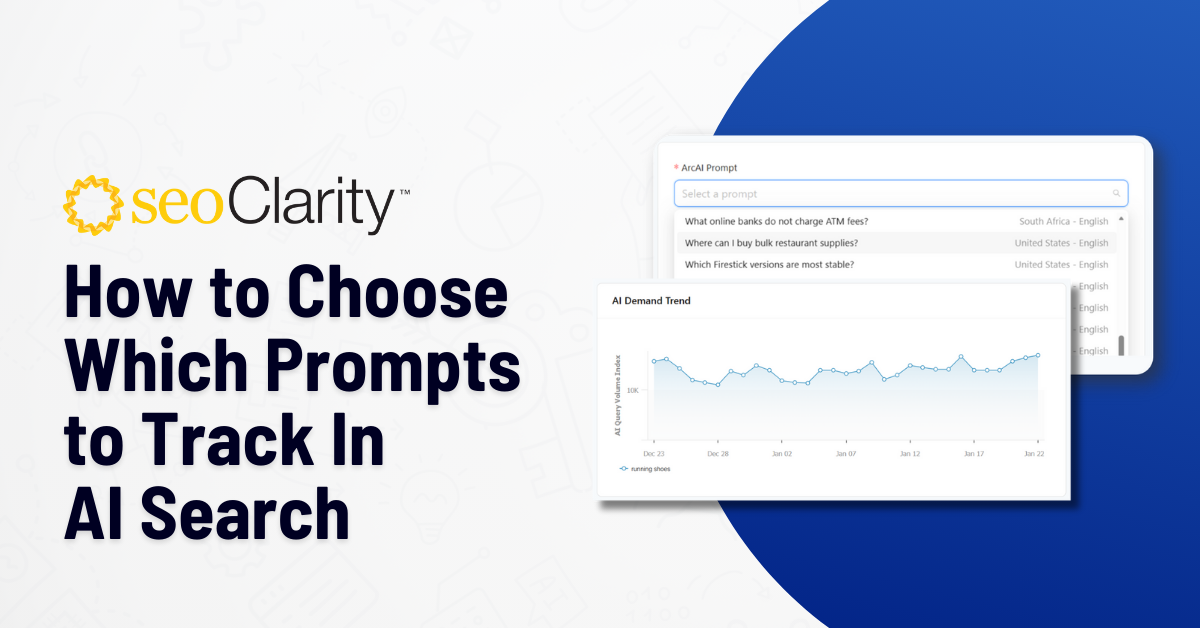
As AI search becomes a primary way people explore topics and make decisions, visibility is no longer just tied to ranking for a list of priority keywords.

![Popular Products SERP Feature: SEO Impact [+ Research]](https://www.seoclarity.net/hubfs/Popular%20Product%20SERP%20Feature%20Blog%20Image.png "Popular Products SERP Feature: SEO Impact [+ Research] 11")
Search Engine Results Pages (SERPs) are filled with a variety of features that compete for attention, and one of the most impactful of these is the Popular Products feature.


You’ve got AI search visibility data in hand and now you’re wondering, what’s next?

In the ever-evolving landscape of SEO and AEO, staying ahead means paying close attention to emerging SERP features that can impact visibility and traffic.


Metrics such as visitors, time spent per session, and conversions have been used for years to steer content creation and marketing campaigns toward success.

For years, the industry measured success by the volume of clicks from the SERP. In 2026, the “click” is no longer the only unit of value.

![The Search Pivot: Prove Value Beyond Traffic in 2026 [Webinar]](https://www.seoclarity.net/hubfs/2026%20Enterprise%20Search%20Strategies%20Webinar-1.png "The Search Pivot: Prove Value Beyond Traffic in 2026 [Webinar] 7")
